
Villages Near Plovdiv Flooded with Nepalese Workers Amid Labor Shortage
Industry | February 10, 2026, Tuesday // 09:00| views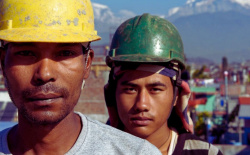
Villages surrounding Plovdiv are increasingly hosting Nepalese workers, brought in by local entrepreneurs to address Bulgaria’s persistent labor shortages. According to brokers in the region, local businessmen pay between 100 and 200 euros per worker to rent housing where these foreign employees are accommodated. By law, employers must provide lodging for the duration of the contract, with prices varying depending on whether utilities such as electricity and water are included. The surge in demand for such accommodations is particularly evident in villages west of Plovdiv, including Orizare, Joakim Gruevo, Kadievo, and Kurtovo Konare.
“In Radinovo, an old restaurant was converted into small apartments to house foreign workers,” noted Borislav Simeonov, a real estate broker. The Nepalese are mainly employed by large enterprises in the Thrace Economic Zone (TEZ), particularly in service and hospitality sectors. In contrast, the construction industry currently relies heavily on Kurdish workers, who often live in temporary containers directly on construction sites, for example in southern Plovdiv neighborhoods such as Ostromila.
Bulgaria has experienced a notable rise in foreign labor over the past year. In 2025, nearly 46,000 work permits were issued to third-country nationals, marking a 32.5 percent increase compared to 2024. Uzbekistan topped the list of countries whose citizens were granted work permits, followed by India, where workers are mostly employed in construction. Turkey supplies staff for major infrastructure projects, while Kyrgyzstan provides seasonal workers in tourism. Nepalese workers have become increasingly visible in Bulgaria’s service and hotel sectors. Overall, more than 120,000 foreign nationals currently work in the country, though the labor shortage is estimated at roughly half a million.
The process of obtaining work visas remains slow and cumbersome, taking employers between three to six months or longer. Legally, foreign employees are entitled to the same pay as Bulgarian workers. Employers often provide additional benefits, including meals during the workday and transportation costs. The shortage of unskilled labor is not unique to Bulgaria; in many EU economies, foreigners constitute 25 to 30 percent of the workforce in factories and industrial plants, while in Bulgaria their share remains under five percent.
This influx of foreign workers, particularly from Nepal, underscores both the critical need for labor in Bulgaria and the challenges local businesses face in meeting staffing demands under current legal and logistical constraints.
Back