
Lazarovden: A Look at One of Bulgaria’s Spring Traditions
Culture | April 4, 2026, Saturday // 10:44| views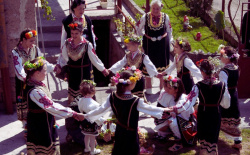
Lazarovden (St. Lazarus Day) is one of Bulgaria’s most recognizable spring holidays, combining Christian meaning with long-standing folk customs. It is celebrated on the Saturday before Palm Sunday, with its date changing each year according to Easter. The feast recalls the biblical story of the resurrection of Lazarus, symbolizing the victory of life over death and foreshadowing the Resurrection.
Beyond its religious significance, the holiday is deeply rooted in the traditional Bulgarian calendar and marks the transition from winter to spring. In folk belief, Lazarus is associated with nature’s revival, fertility, and the renewal of life. The day reflects the awakening of fields, forests, and the agricultural cycle that follows.
The ritual of “lazaruvane”
The central element of Lazarovden is the custom of “lazaruvane,” performed by groups of young unmarried girls known as lazarki. Dressed in traditional clothing and decorated with flowers and greenery, they go from house to house in their village or neighborhood.
Through songs, dances, and blessings, the lazarki wish health, prosperity, and fertility to each household. Their performances are often personalized, with specific verses for different members of the family.
Traditionally, taking part in lazaruvane marked an important step in a girl’s life. It symbolized her transition into adulthood, and according to old beliefs, girls who did not participate would find it difficult to marry.
Symbolism and community meaning
The visits of the lazarki are considered a sign of good fortune. Households welcome them warmly and offer small gifts such as eggs or money, which later become part of Easter preparations.
The ritual also has a strong communal role. The songs, dances, and movements of the girls are believed to bring abundance and protection to the entire community. The circular routes they follow are often seen as a symbolic act of unity and continuity.
Between ancient roots and modern practice
Lazarovden is thought to have origins in ancient pre-Christian rituals connected to fertility and nature worship, later incorporated into the Christian calendar. Despite changes over time, the tradition has been preserved and continues to be practiced in many regions of Bulgaria.
Back