
Early Signs of Confidence: Bulgaria’s Markets Respond Positively to Eurozone Membership
Finance | March 21, 2026, Saturday // 10:35| views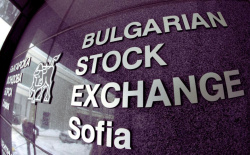
The first months following Bulgaria’s entry into the eurozone suggest a stable start and rising investor confidence, even though it is too early to draw long-term conclusions. In the opening week of 2026, trading on the Bulgarian Stock Exchange surged by 50% year-on-year, while the SOFIX index increased by 18.6%, representing the strongest growth among over 90 major stock market indicators tracked by Bloomberg. These figures indicate that markets have embraced the new currency with a notable degree of optimism from the very first days of eurozone membership.
The transition to the euro in Bulgaria was carefully managed, proceeding smoothly without disruptions to the financial system. This seamless shift has bolstered international assessments of Bulgaria’s economic stability. Data from the National Statistical Institute show a decline in the proportion of entrepreneurs citing an uncertain economic environment as a major obstacle: by February 2026, this share had fallen by 4.8 points in industry, 3.8 points in construction, and 2.9 points in services compared to December 2025. Such improvements in business sentiment signal to investors that the economic environment is increasingly predictable and conducive to investment.
Joining the euro also removes currency risk for transactions and investments within the euro area, further strengthening investor confidence. While Bulgaria had already maintained a fixed exchange rate under the currency board system, euro membership adds an extra layer of predictability, easing financial planning and enhancing transparency for investors. Companies working with eurozone partners benefit from reduced costs and increased security for long-term projects, while the country’s integration into European financial markets raises its profile and attractiveness to international businesses.
Eurozone membership also carries weight for Bulgaria’s broader financial reputation. Being part of the common currency area reflects a rigorous evaluation of economic stability, public finances, and the banking sector, all of which are key factors in investor decision-making. The early months of euro adoption have also demonstrated the smooth functioning of the banking system, with accounts, loans, and deposits successfully converted and financial institutions operating without disruption. For investors, this reliability underscores the country’s sound financial infrastructure and integration into the European banking network.
Broader economic indicators support these positive trends. According to the National Statistical Institute’s business trend monitoring, the overall business climate improved at the start of 2026. By February, the business climate indicator had risen by 3.8 points in industry, 7.4 points in services, 3.9 points in retail, and 3.4 points in construction compared to December 2025. These gains reflect growing optimism among entrepreneurs and reinforce the perception of Bulgaria as a stable and attractive environment for investment during the early phase of eurozone membership.
Back