
Bulgaria’s Tourism Set to Withstand Middle East Crisis, Expert Says
Tourism | March 16, 2026, Monday // 10:04| views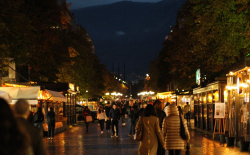
Photo: Stella Ivanova
Bulgaria’s tourism sector is expected to remain resilient despite the ongoing conflict in the Middle East, according to Rumen Draganov, director of the Institute for Analysis and Evaluation in Tourism. Speaking to BGNES, Draganov noted that Bulgarian tourism has historically withstood fluctuations in oil prices, including the significant spike during the 2012 oil crisis, and he expects the current increase in fuel costs to have minimal impact.
Draganov highlighted that Israeli tourists continue to arrive in Bulgaria, even amid regional instability, and preliminary figures suggest the country will see more than 200,000 visits from Israel this year, surpassing 2024 levels. He stressed that annual bookings for the summer season have been strong since last year and that the prices already set for vacations will remain stable. “The rise in fuel costs will not translate into higher holiday prices for those who have already purchased trips,” he said.
On the broader outlook for foreign tourism, Draganov predicted a steady increase in arrivals, expecting 14 million foreign visitors this year, up from 13.6 million in 2024. Domestic travel is also robust, with over 26 million trips made by Bulgarians annually. He emphasized the importance for tourism operators to focus on their regular clientele, noting that the sector is well-established and resilient, even amid international crises.
Draganov addressed calls for tourism to be designated as a strategic sector, explaining that the term is often used rhetorically. “Tourism in Bulgaria is very stable. Unlike other industries, it continues to grow steadily, both domestically and internationally. Last year, the World Tourism Organization reported nearly 4.3% growth, and we expect the upward trend to continue,” he said. While acknowledging that global events have some influence, he stressed that such impacts remain limited given the size and stability of the Bulgarian market.
On pricing and market dynamics, Draganov noted that most necessary increases were applied last year, and current prices remain within limits that consumers can accept. He underscored the competitiveness of the sector, pointing out that Bulgaria has roughly 18,000 accommodation options compared with 65,000 in Greece and 75,000 in Turkey, highlighting the country’s strong position in the regional tourism market. He also emphasized the smooth integration of the euro into the sector, alongside continued use of other global currencies.
Draganov offered practical guidance for tourism operators, stressing that success depends on quality and attention to detail. Whether renting an apartment, running a guesthouse, or managing a hotel, he said, operators must focus on providing fully furnished and well-equipped accommodations while understanding the needs of their visitors. “Tourism is simple: it depends on how well you prepare and how creatively you attract guests,” he said.
In conclusion, Draganov encouraged those in the industry to approach their work with dedication and passion. “Tourism is not for everyone. It’s for those who know how to do it well, who love their job, and who focus on delivering the best experience for their guests,” he said, emphasizing that professional care and enthusiasm are central to sustaining Bulgaria’s tourism success.
Back