
Bulgaria’s Fuel Monopoly: Experts Call for Transparency in Lukoil Neftochim Pricing
Energy | March 13, 2026, Friday // 10:10| views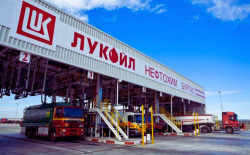
In Bulgaria, energy experts are calling for greater transparency in fuel pricing, focusing on the role of Lukoil Neftochim, which dominates the country’s oil market. Speaking on Nova TV, Elenko Bozhkov and Ivan Hinovski highlighted the monopoly’s influence and the distortions it creates in fuel costs.
Ivan Hinovski, representing the Bulgarian Energy and Mining Forum, emphasized that Lukoil Neftochim has controlled Bulgaria’s fuel sector for two decades, holding around 90% of the country’s reserves. He argued that the state should reveal the structure of production costs to clarify where price distortions occur. According to Hinovski, the ex-factory price (the cost at which fuel leaves the refinery) should be transparent, including storage costs. He warned that while prices can be artificially lowered, the risk of arbitrage by Lukoil remains high. Hinovski also noted that a reopening of the Strait of Hormuz could help stabilize oil prices globally, indirectly benefiting domestic fuel costs.
The International Energy Agency’s recent release of 400 million barrels of oil raises further questions about pricing along the supply chain. Hinovski stressed that these barrels should be sold at their purchase prices plus a reasonable storage markup, rather than allowing excessive profit margins.
Elenko Bozhkov, former Deputy Minister of Energy, added that there are grounds for suspicion regarding favoritism in Bulgaria’s fuel production. He pointed to the rehabilitation of contracts with Botas and ongoing talks between Bulgarian and Turkish energy officials, suggesting that some historical negotiations had been concealed. Bozhkov argued that clear disclosure of production costs across technologies, including electricity, would provide a foundation for fair compensation and oversight.
Bozhkov further recommended implementing measures to control profit margins, either within the framework of the Competition Protection Commission or through a price ceiling, to prevent monopolistic exploitation and ensure fair pricing for Bulgarian consumers.
Back