
Happy International Women’s Day! Celebrating Women Around the World on March 8
Culture | March 8, 2026, Sunday // 09:49| views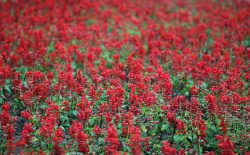
Photo: Stella Ivanova
March 8 is marked around the world as International Women’s Day, a date symbolizing solidarity, strength and unity among women. Over time, the day has become both a celebration and a reminder of the long struggle for equal rights, dignity and recognition in society.
The roots of the movement for women’s equality stretch far back in history. Stories of women resisting injustice appear even in ancient times. In ancient Greece, the legendary figure Lysistrata organized a sex strike to pressure men into ending war. Centuries later, during the French Revolution, women in Paris marched through the streets demanding “liberty, equality and fraternity,” insisting that these principles should apply to them as well.
The modern concept of International Women’s Day emerged in the early twentieth century alongside the growing global women’s rights movement. One of the earliest milestones occurred in 1857 in New York, when women working in textile factories organized a protest demanding better working conditions, shorter hours and equal rights with men. Their demonstration later became a symbolic starting point in the history of the holiday.
Several decades later, in 1909, the American Socialist Party introduced a National Women’s Day, which was celebrated in the United States on February 28. For several years afterward, American women continued to mark the occasion on the last Sunday of February.
The idea of establishing an international holiday took shape in 1910 during the Second International Conference of Working Women in Copenhagen. Delegates agreed that a day should be dedicated each year to advocating for women’s rights and equality. The proposal quickly gained support, and in 1911 the first International Women’s Day events were held in Austria, Germany, Denmark and Switzerland. More than one million people participated in demonstrations and gatherings promoting equal political and social rights.
Since 1914, the date of March 8 has been widely adopted in different countries. At the time, the day was strongly connected to campaigns for political participation, economic justice and social equality for women.
International recognition came decades later. In 1977, the United Nations General Assembly officially proclaimed March 8 as the International Day for Women’s Rights and Peace, giving the observance global institutional support.
Today the day is celebrated in many different ways across the world. In a number of Eastern European countries – including Bulgaria, Russia and Ukraine – it remains one of the most popular holidays. It is common for men to present flowers, sweets or small gifts to mothers, wives, colleagues and friends. Schools and workplaces often organize small celebrations as a sign of appreciation for women.
In Bulgaria, March 8 has become a traditional occasion to express gratitude and respect. Flowers, particularly tulips and carnations, are among the most common gifts. Many workplaces organize gatherings or informal celebrations, while children frequently prepare cards or small presents for their mothers and teachers. Restaurants and cafés are also busier than usual as families and friends gather to mark the day.
Other countries have their own distinctive customs. In Italy, the yellow mimosa flower has become the symbol of the holiday. Streets, shops and markets are often filled with mimosa branches in the days leading up to March 8, representing solidarity, sensitivity and resilience among women.
In China, some companies mark the day by allowing female employees to leave work earlier or granting them half a day off as a gesture of recognition for their contributions.
Spain has increasingly associated the date with public demonstrations and campaigns focused on gender equality and women’s rights. Large marches and civic initiatives are organized in many cities to highlight social and political issues affecting women.
In the United States, the day forms part of a broader initiative known as Women’s History Month, observed throughout March. During this period, the achievements and influence of women in science, culture, politics and public life are highlighted through educational programs and public events.
Although the traditions differ from country to country, the meaning of March 8 remains consistent. It is a day to celebrate the accomplishments of women while also reflecting on the ongoing effort to achieve equality, respect and opportunity in all areas of life.
Back